

 Điều hòa Xiaomi
 Tivi Xiaomi
 Tủ Lạnh Xiaomi
 Máy Giặt Xiaomi
 Máy Hút Ẩm
 Máy Lọc Không Khí
 Robot hút bụi
 Tin công nghệ
 Review – Đánh giá
 Khuyến mại
 Thông Tin Liên Hệ
 Tivi Xiaomi
 55 Inch
 65 Inch
 75 Inch
 85 Inch
 100 Inch
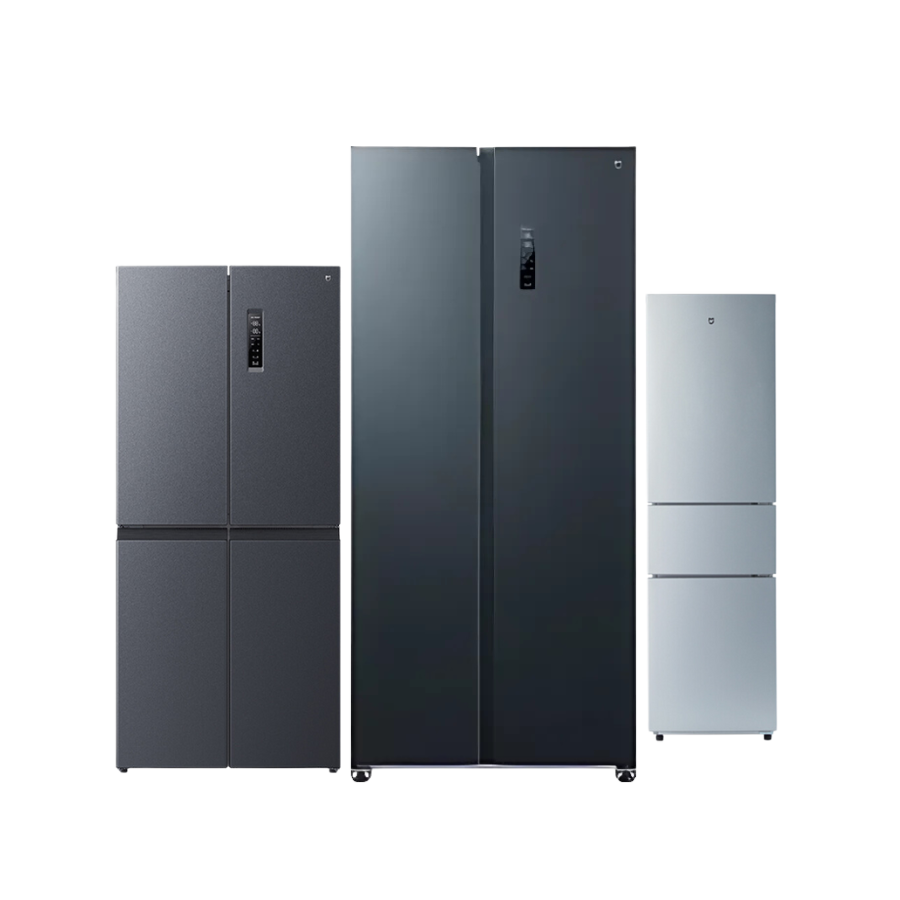 Tủ Lạnh Xiaomi
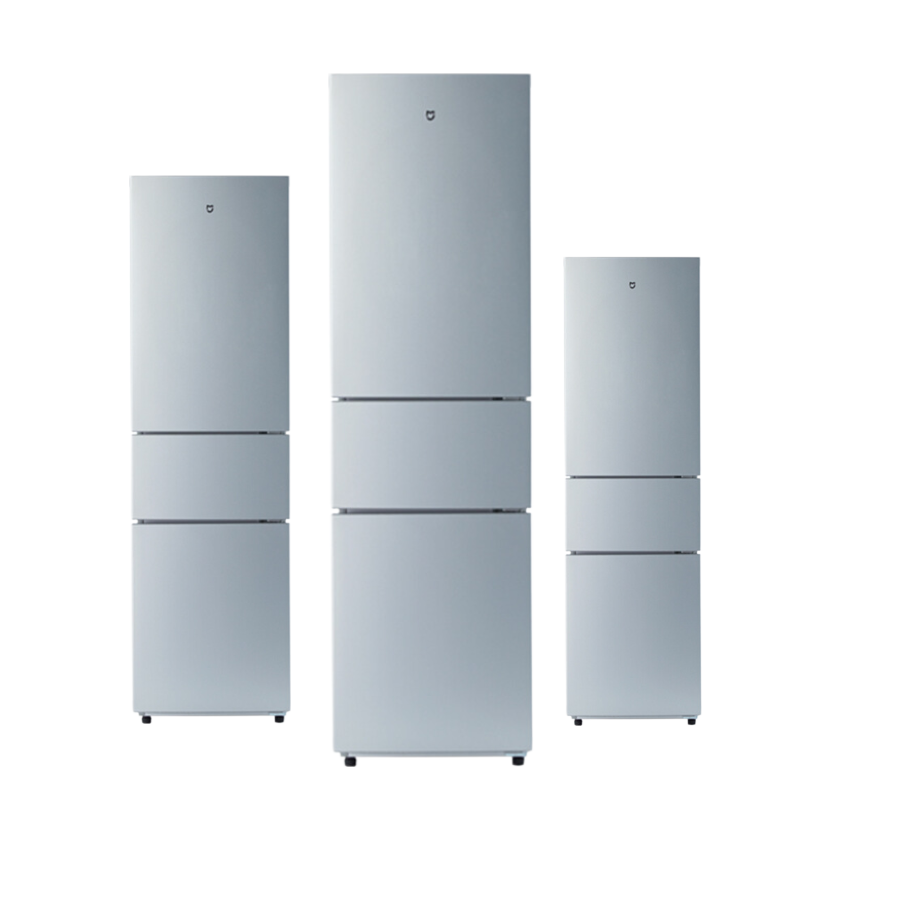 215L
215L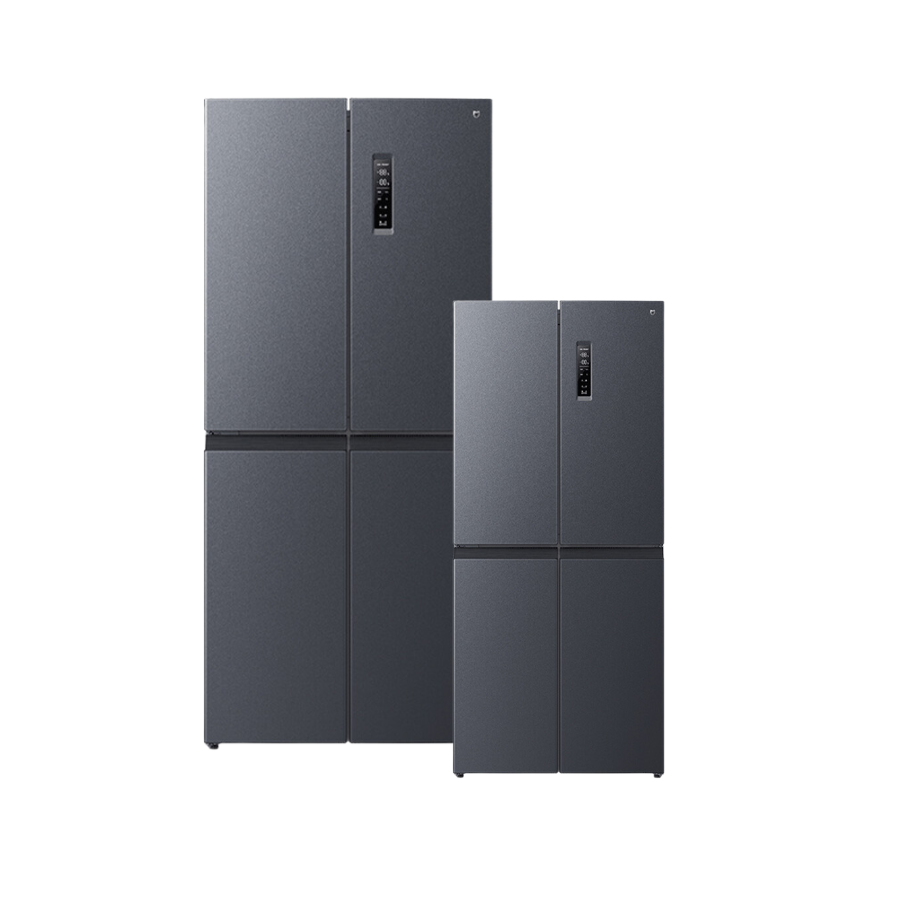 430L
430L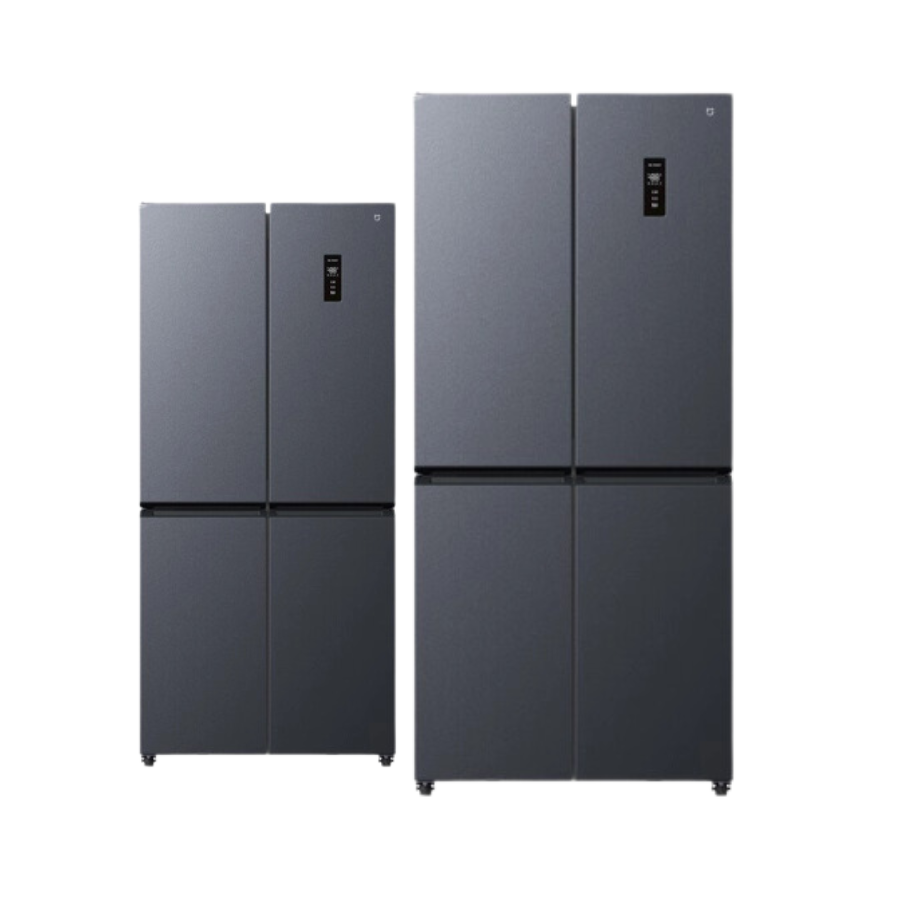 520L
520L 606L
606L 700L
700L Máy Giặt
 10Kg
10Kg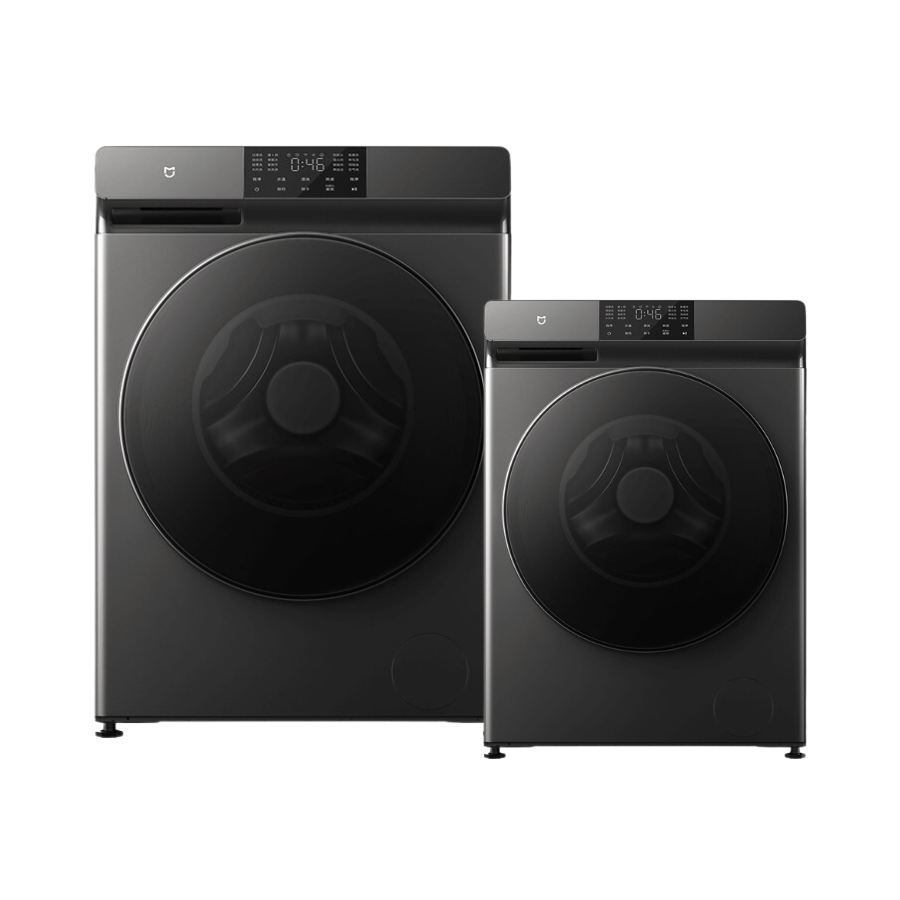 12Kg
12Kg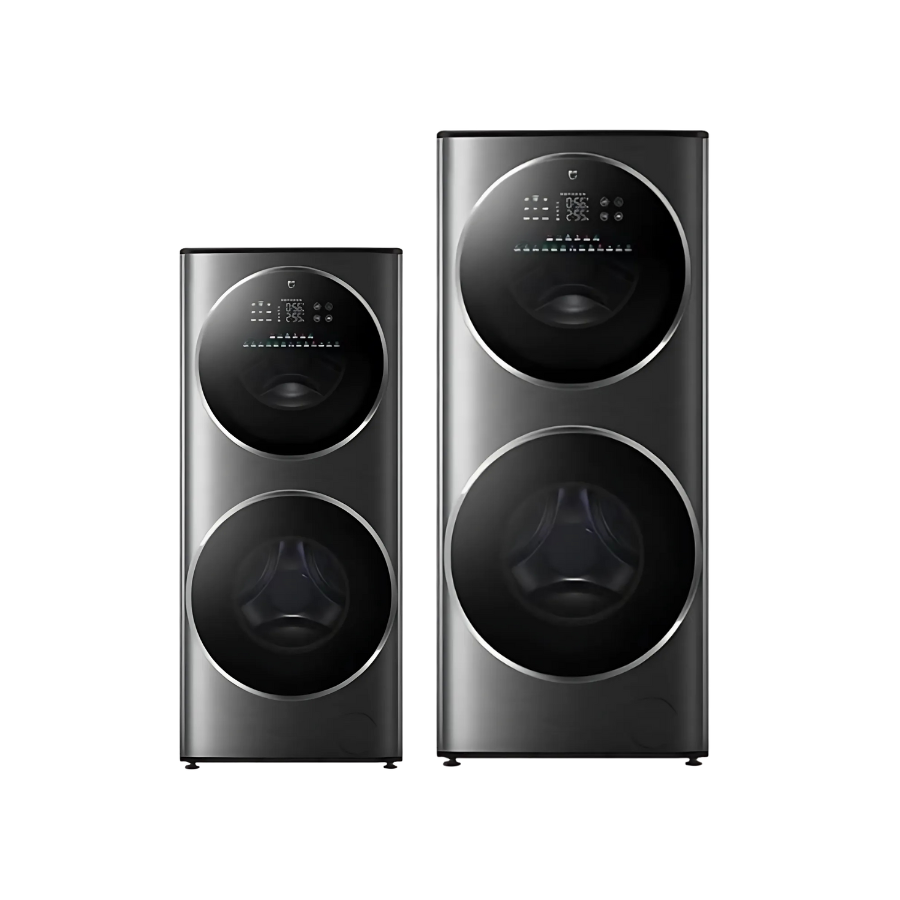 15Kg
15Kg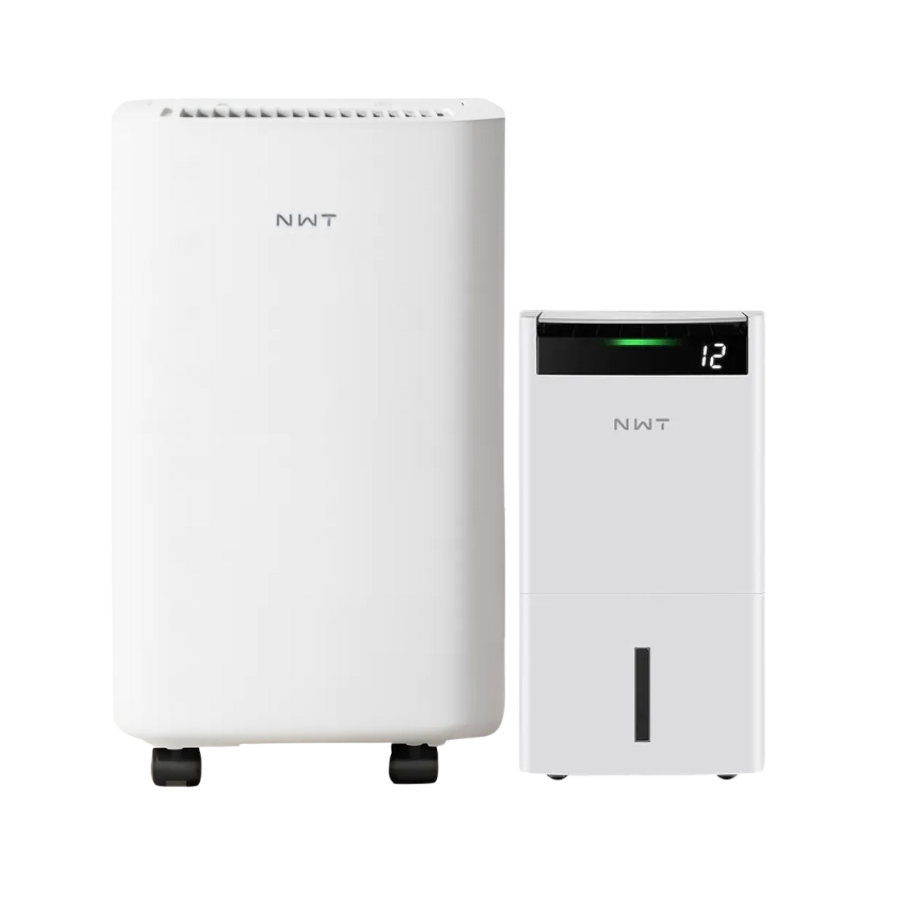 Máy Hút Ẩm
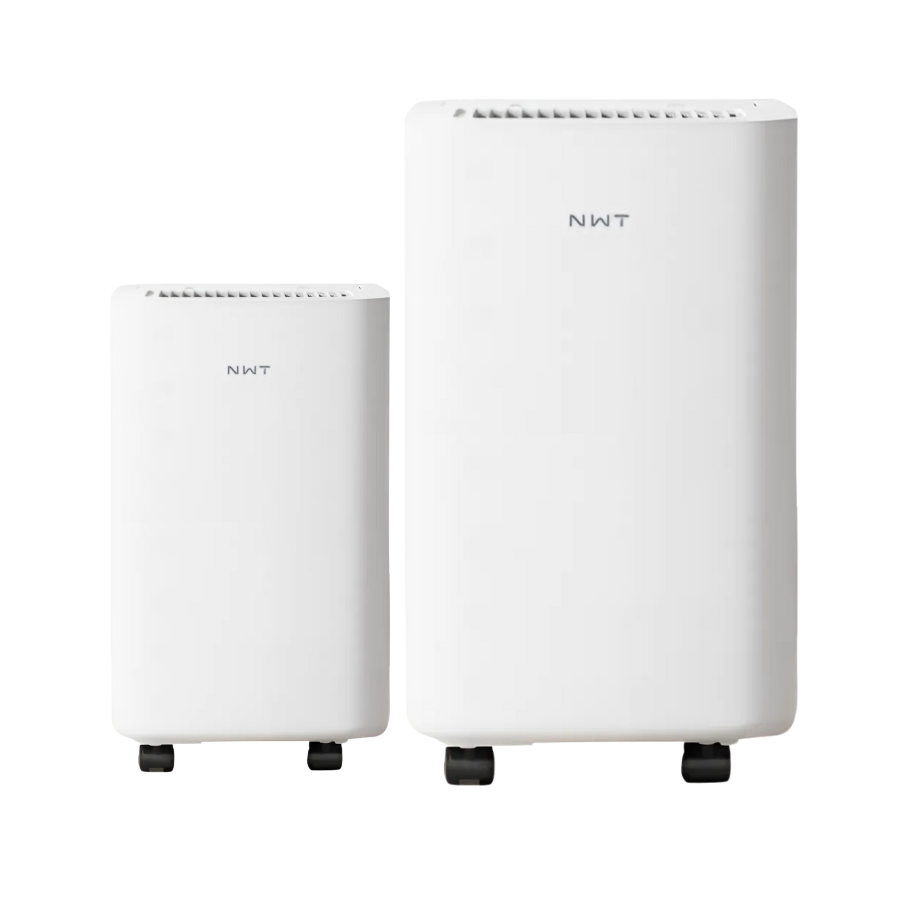 10L
10L 12L
12L 18L
18L 24L
24L 30L
30L Máy Lọc Không Khí
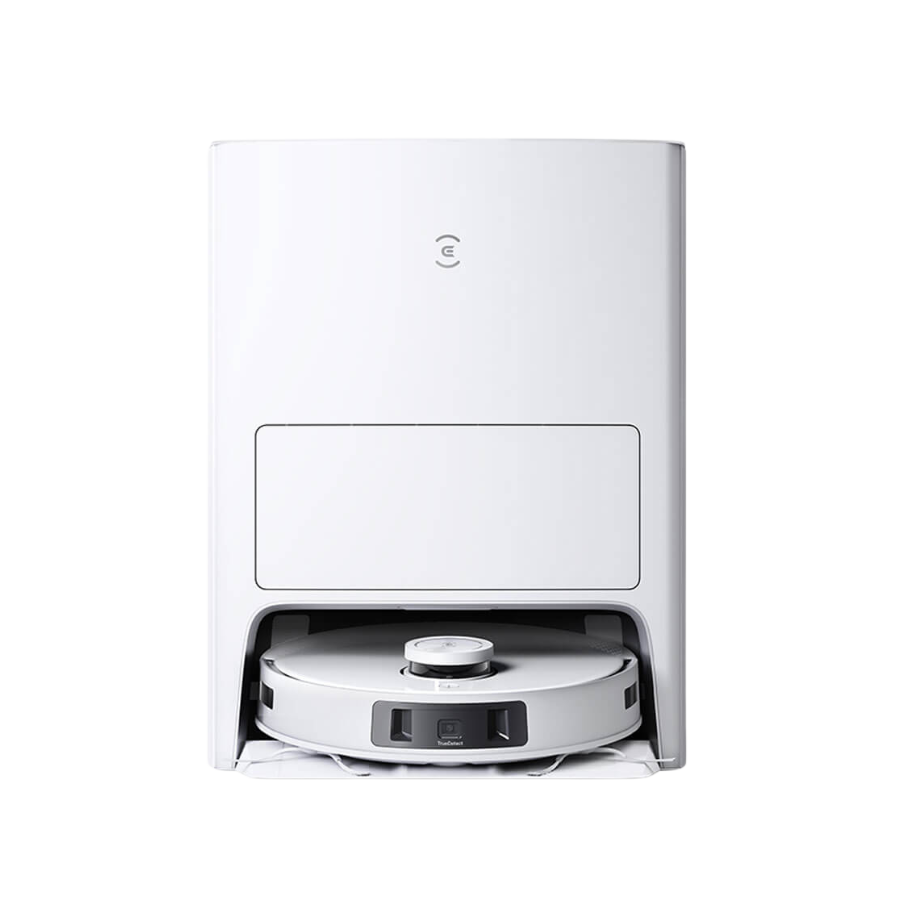 Robot hút bụi
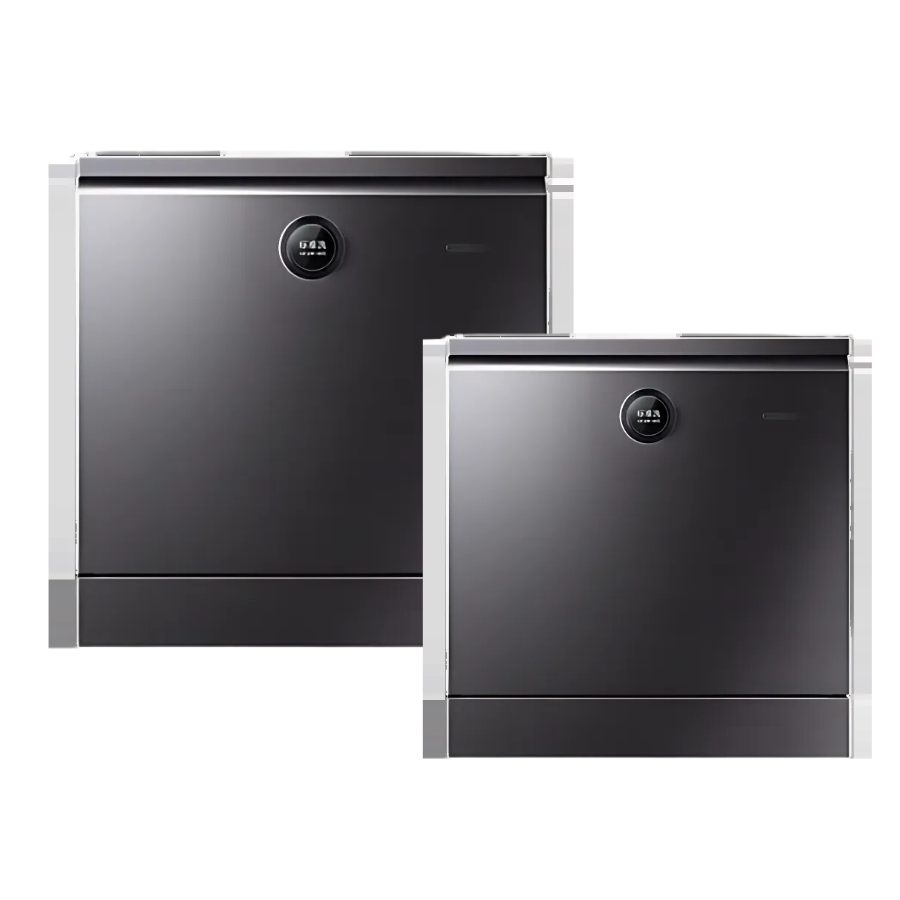 8 Bộ
8 Bộ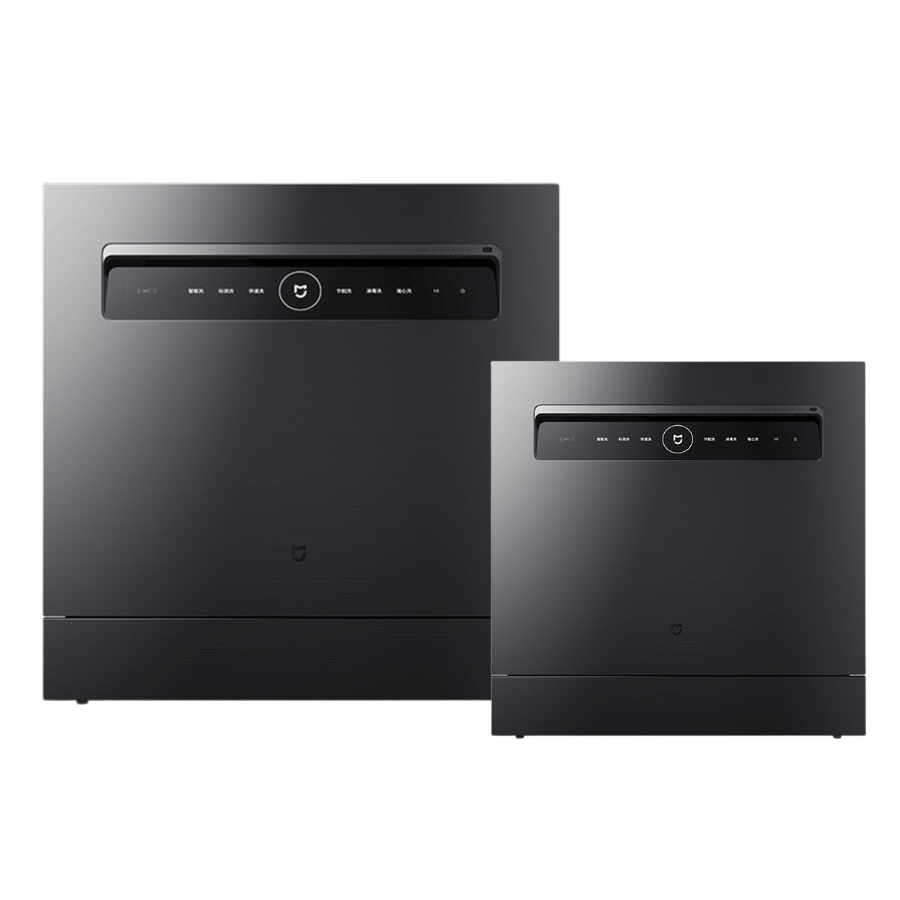 12 Bộ
12 Bộ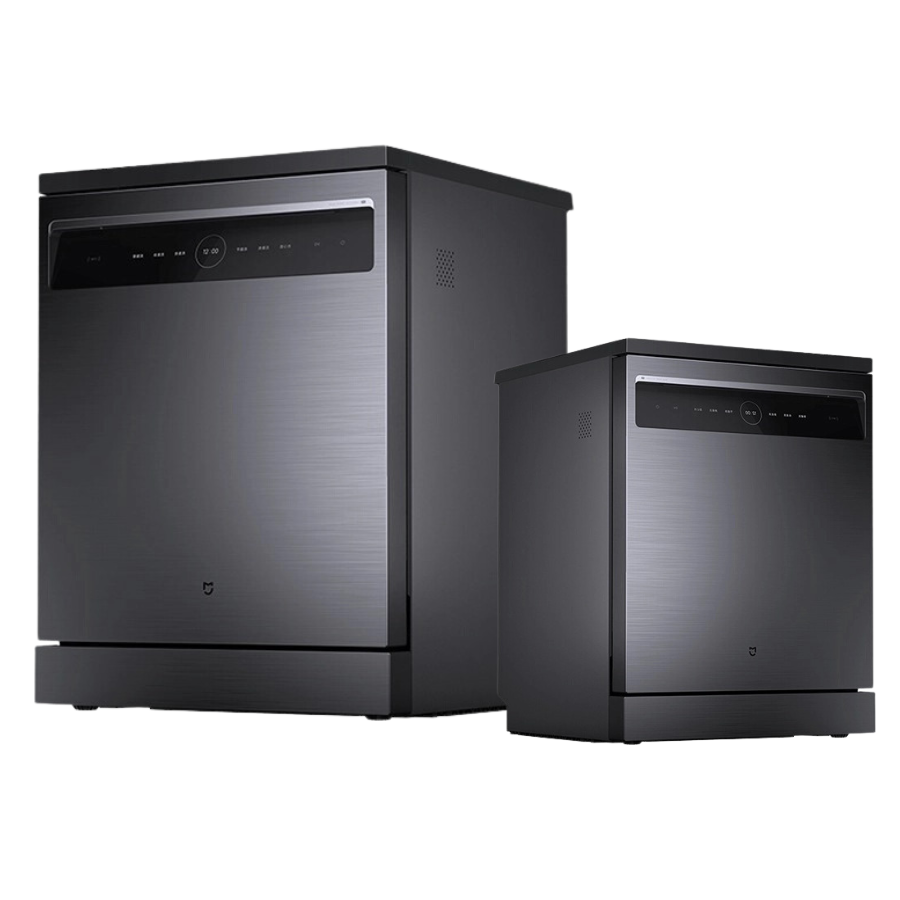 15 Bộ
15 Bộ 16 Bộ
16 Bộ Trang chủ
 Danh mục
 Hotline
 Zalo
Zalo Tin Tức
Blog
Online Poker Guide for Canadian Beginners
Poker has moved a long way from smoky back rooms and basement tables. Today, thousands of Canadians shuffle up and deal from laptops, tablets and phones, drawn by low stakes, big tournaments and the convenience of playing whenever a spare hour appears. If you are new to the game, the volume of options can feel overwhelming. This guide breaks down the essentials , rules, platforms, money handling and bankroll habits , so you can sit down at a virtual table with confidence rather than confusion. Check out additional details at neteller casinos canada.
Online poker rewards patience and study more than luck, which is good news for beginners willing to learn. The house does not play against you the way it does in table games; instead, you compete against other players while the operator takes a small rake from each pot, typically between 2.5% and 5%. That structure means skill matters over time, and a thoughtful approach to stakes and game selection can stretch a modest starting deposit much further.
Understanding the Game Formats and Where to Start
Most Canadian beginners should start with No-Limit Texas Hold’em, simply because it dominates cash games and tournaments worldwide. Each player receives two hole cards and combines them with five community cards to build the best possible five-card hand. Pot-Limit Omaha is the second most popular variant, but it deals four hole cards and produces far more complex decisions , best saved for later.
Cash games let you buy in for a set amount and leave whenever you like, which suits newcomers who want to control session length. Tournaments, by contrast, charge a fixed buy-in and pay out according to finishing position. Sit-and-go events with nine or eighteen players sit somewhere in between and offer excellent practice for final-table pressure without demanding a five-hour commitment.
Table selection quietly determines results. A table where six of nine players see every flop is far more profitable for a disciplined beginner than a table full of tight regulars. Most platforms display statistics such as “players per flop” and average pot size, so spend two minutes comparing lobby numbers before you sit down.
Stake levels matter just as much. Micro-stakes tables with blinds of $0.01/$0.02 or $0.02/$0.05 are the correct starting point. The goal is not to win rent money in week one; it is to log hands, recognise patterns and build decision-making habits that hold up at higher limits.
Choosing a Platform and Managing Your Money in Canada
Canada occupies an unusual position in the global poker market. Provincial regulators oversee licensed operators within their borders, while many international sites accept Canadian players under offshore licences. Crossing provincial lines to play is permitted, and there is no federal law prohibiting individual Canadians from joining offshore poker rooms, though rules and tax treatment vary by province.
Before depositing, check three things: the licence and regulator, the cashier options, and the withdrawal timeline. Interac remains the most popular deposit method in Canada because it is fast, familiar and low-cost. Credit cards, e-wallets and cryptocurrency are also widely supported, but always read the fee schedule , some processors charge 1% to 3% on transactions, which quietly erodes a small bankroll.
Bonus terms deserve close scrutiny. Welcome packages often advertise matched deposits up to $1,000 or more, but the attached playthrough requirements can run 20x to 40x. A bonus is only valuable if you can realistically clear it at the stakes you actually play.
Bankroll management is the single most important habit for a new player. A common guideline is to keep at least 20 buy-ins for cash games and 50 buy-ins for tournaments. If you play $0.02/$0.05 with a $5 buy-in, that means a bankroll of roughly $100. This buffer absorbs the natural swings of the game and prevents the tilt that follows a short-stacked panic.
Track every session, even the losing ones. Free spreadsheets and dedicated tracking software reveal whether you are genuinely improving or simply running well. Reviewing hand histories weekly, focusing on the three biggest pots you lost, will improve your game faster than any coaching video.
Building Skills, Avoiding Traps and Playing Responsibly
Study beats volume for beginners. Learning starting-hand charts, understanding position at the table, and grasping pot odds will lift your win rate more than grinding thousands of unfocused hands. Free resources, forums and low-cost training sites make structured learning accessible to anyone with an internet connection.
Watch for common beginner traps: playing too many hands, chasing draws without correct odds, and treating poker as a way to recover other losses. Emotional decision-making, often called tilt, costs more money than bad luck ever will.
Set deposit limits before you start, use the responsible gambling tools every regulated operator provides, and treat poker as entertainment with a budget rather than an income plan. If the fun disappears, step away. Played thoughtfully, online poker is a genuinely rewarding test of strategy, discipline and nerve , and Canada offers a wide, well-regulated path into it.


